Blue Mustang: A Retro Script Font That Builds Brand Trust
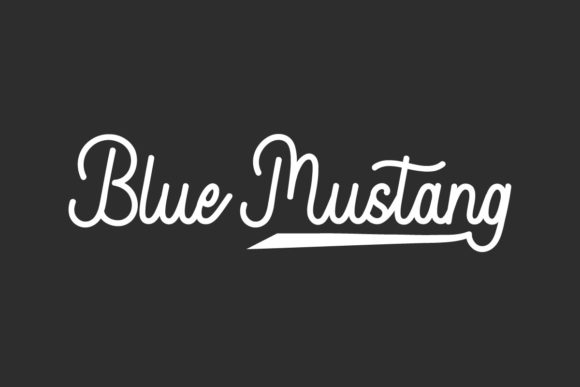
As a small business owner who’s designed everything from coffee bag labels to Instagram story templates, I know how much a single font choice can shape how customers perceive my brand. Blue Mustang isn’t just another script font—it’s a thoughtful, retro-styled typeface with warmth, personality, and quiet confidence. Its flowing, hand-drawn rhythm feels human and intentional, not generic or overused. That makes it ideal for businesses that want to stand out without shouting—think handmade soap brands, indie bookshops, wellness coaches, or neighborhood cafés.
What sets Blue Mustang apart is its balance of charm and clarity. Unlike some overly ornate script fonts that blur at small sizes, Blue Mustang maintains legibility on product labels, thank-you cards, and mobile screens—especially when used thoughtfully. Its PUA encoding means all swashes, alternate glyphs, and stylistic flourishes are easy to access in design apps like Canva, Adobe Illustrator, or Affinity Designer. No hunting through character maps. Just click, insert, and elevate.
Where Blue Mustang Fits Across Your Business Touchpoints
You don’t need to overhaul your entire brand to benefit from Blue Mustang. Start where it makes the most visual impact—and where consistency matters most:
- Logos & shop signage: Use Blue Mustang for your primary logo or wordmark if your brand voice leans creative, nostalgic, or artisanal. It works beautifully for a boutique name above a storefront or stitched onto a canvas tote.
- Packaging & product labels: On candle jars, tea tins, or skincare bottles, Blue Mustang adds tactile appeal. Try it for the product name (e.g., “Lavender Moon”) in medium weight, then pair it with a clean sans serif for ingredients or net weight.
- Menus & printed collateral: A café owner friend uses Blue Mustang for dish names on her chalkboard-style menu—then switches to Montserrat for prices and descriptions. The contrast feels curated, not chaotic.
- Social media graphics: On Instagram posts or Pinterest pins, Blue Mustang shines in headlines, quotes, or limited text overlays. Keep it large enough to read on mobile—aim for 36pt minimum in banners, 24pt in stories.
- Websites & email headers: Use it as a display font for hero section headlines or section dividers—not body copy. Your site stays fast and readable, while key messages feel distinct and memorable.
Pairing Blue Mustang Thoughtfully
A great script font needs a strong partner. Blue Mustang pairs naturally with clean, neutral typefaces that let its personality shine without competing. Think of it as the expressive voice—and your supporting font as the steady, trustworthy listener.
For digital and print use, try these simple, tested combinations:
- With a modern sans serif: Inter, Poppins, or Lato work beautifully—especially in light or regular weights. This pairing keeps things fresh and accessible, perfect for service-based businesses or online stores.
- With a warm serif: Merriweather or Playfair Display adds gentle contrast for brands leaning into heritage, literature, or slow-living values—ideal for book clubs, stationery lines, or holistic wellness services.
Avoid pairing Blue Mustang with other decorative or script fonts. Two expressive typefaces cancel each other out. One standout font + one functional font = clarity and cohesion.
Testing Before You Commit
Before locking Blue Mustang into your label printer or Shopify theme, test it in context. Print a mock-up of your best-selling product label at actual size. View your Instagram post draft on three devices—phone, tablet, and desktop. Ask a trusted customer or colleague: “What’s the first thing you notice?” and “Does this feel like *us*?”
Remember: Blue Mustang excels as a display font—not for long paragraphs or fine print. If you’re designing a multi-page brochure or detailed care instructions, keep those in a highly legible sans serif or serif. Reserve Blue Mustang for moments that deserve attention and emotional resonance.
Licensing Matters—Especially for Small Businesses
Blue Mustang is part of the Script Amp collection—a curated group of premium fonts built for real-world creative work. But before you drop it onto merchandise, client deliverables, or digital templates you plan to sell, verify the license covers your use case. Most commercial licenses allow use in logos, packaging, social graphics, and websites—but restrictions often apply for app development, SaaS platforms, or resale as part of editable design assets.
If you’re selling physical goods (like mugs or stickers) featuring Blue Mustang lettering, you’re typically covered. But if you’re bundling the font file itself into a Canva template or offering it as a download, double-check the terms. When in doubt, contact the foundry or vendor directly—they’ll clarify faster than any guesswork.
Why This Font Feels Like an Investment, Not an Expense
Small business owners often overlook typography as “just decoration.” But every time someone sees your brand—on a shelf, in their inbox, or scrolling past your ad—they’re forming an impression in under two seconds. Blue Mustang helps you control that impression: friendly but not childish, stylish but not cold, distinctive but not distracting.
I’ve seen it transform a handwritten-looking logo into something that reads as both authentic and polished. I’ve watched customers pause longer on a product label because the name felt inviting—not just informative. And I’ve watched repeat buyers mention, unprompted, how “the whole vibe feels so *cohesive*”—even though they couldn’t name the font.
That’s the quiet power of Blue Mustang. It doesn’t scream for attention. It earns trust—letter by graceful letter.